

What Is Mitragyna Speciosa? Kratom Plant Guide
What Is Mitragyna Speciosa? Get to Know the Kratom Plant 🌿
Ever wonder where kratom actually comes from? It all starts with a tropical tree called Mitragyna speciosa, native to the warm, humid forests of Southeast Asia.
For generations, people in countries like Thailand, Malaysia, and Indonesia have been familiar with its leaves. Today, kratom is gaining attention around the world, and with that comes plenty of questions about what it is, where it grows, and what makes it unique.
Let's get to know the plant behind kratom.
What Is Mitragyna Speciosa?
Mitragyna speciosa is the scientific name for the kratom tree, a tropical evergreen that belongs to the Rubiaceae family. Interestingly, that's the same botanical family as coffee.
Under the right conditions, kratom trees can grow more than 50 feet tall, producing large, glossy green leaves.
Those leaves are what make the plant so interesting.
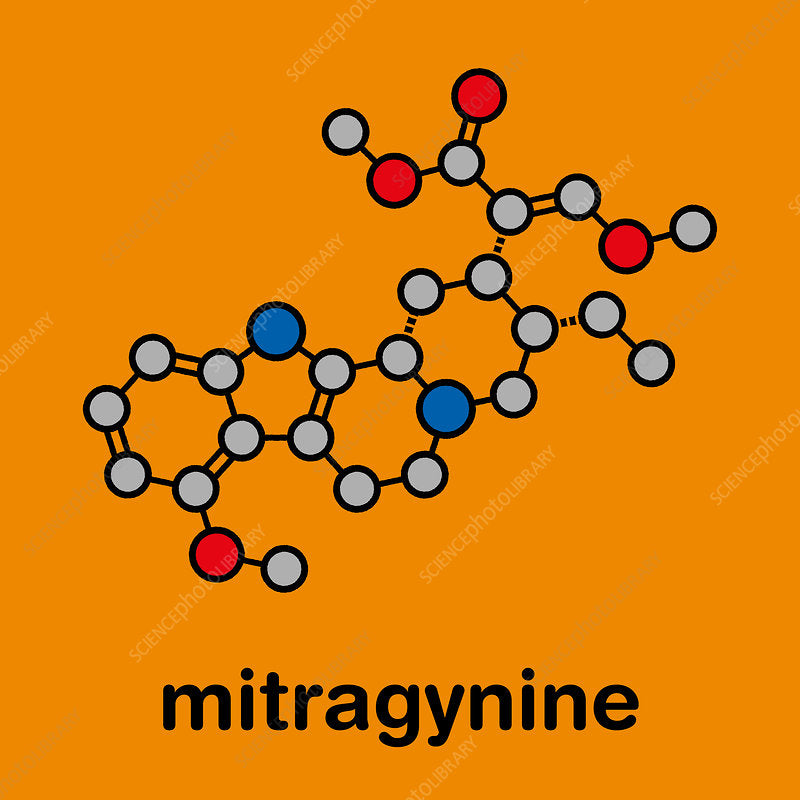
They contain naturally occurring compounds called alkaloids, including mitragynine and 7-hydroxymitragynine (7-OH). These compounds interact with receptors in the body and are a major focus of kratom research.
Although kratom and coffee are botanical relatives, they're quite different when it comes to their chemistry and effects.
The National Institutes of Health (NIH) provides a helpful overview of the plant, its history, and what researchers currently understand about it.
Where Does Kratom Come From?
Kratom loves a tropical climate. Warm temperatures, plenty of rainfall, and rich soil create ideal growing conditions.
The plant is native to Southeast Asia, particularly:
-
Indonesia: One of the best-known sources of kratom leaves in the international market.
-
Thailand: A country with a long history of traditional kratom use.
-
Malaysia: Another region where kratom has been part of local customs for generations.
-
Myanmar and surrounding areas: Part of the plant's broader natural range.
Just like other botanicals, kratom can vary depending on where and how it's grown.
Climate, soil conditions, plant maturity, harvesting, and drying methods can all influence the chemical makeup of the leaves.
That helps explain why two kratom products with similar names may not have identical alkaloid profiles.
For more botanical background, the European Union Drugs Agency offers a detailed look at kratom's origins and chemistry.
A Little History Behind the Kratom Leaf
Long before kratom appeared in American botanical shops, it was already familiar to communities throughout Southeast Asia.
Traditionally, people chewed fresh kratom leaves or brewed them into tea. Historical accounts describe its use among farmers and laborers, as well as its place in certain cultural and traditional medicinal practices.
Over time, kratom made its way into international markets, where dried leaf powder, capsules, and extracts became more widely available.
It's an interesting history, but there's an important distinction worth making: traditional use doesn't necessarily mean a botanical is safe or effective for modern health purposes.
That's one reason researchers continue studying kratom today.
What's Inside Kratom Leaves?
So, what makes this tropical tree different from other plants?
Much of the answer is found in its leaves.
Kratom contains numerous naturally occurring alkaloids. Think of these as part of the plant's chemical fingerprint. Some are present in relatively large amounts, while others occur only in trace quantities.
Two compounds receive most of the attention.
Mitragynine
Mitragynine is generally the most abundant alkaloid found in kratom leaves.
It's one of the primary compounds researchers study when examining kratom's effects on the body.
Mitragynine interacts with several biological pathways, including opioid receptors. However, its pharmacology is complex, and scientists are still working to understand its effects and risks.
The amount of mitragynine can vary from one kratom product to another.
7-Hydroxymitragynine (7-OH)
You may have also heard about 7-hydroxymitragynine, commonly called 7-OH.
This alkaloid occurs naturally in kratom leaves, typically in much smaller quantities than mitragynine.
It's also considerably more potent at certain opioid receptors, which is why concentrated 7-OH products have attracted attention from scientists and regulators.
Here's the important distinction: Traditional kratom leaf and products containing concentrated or enhanced 7-OH are not the same thing.
The FDA's kratom information center provides more information about these compounds and the safety concerns surrounding kratom-related products.
Other Kratom Alkaloids
Mitragynine and 7-OH aren't the only compounds found in the plant.
Kratom also contains smaller amounts of other alkaloids, including speciogynine, speciociliatine, paynantheine, and corynantheidine.
Researchers are still learning how these compounds contribute to the plant's overall chemical profile.
Red, Green & White Kratom: What's the Difference? 🍃
If you've spent any time exploring kratom, you've probably noticed names like Green Maeng Da, Red Bali, and White Borneo.
These are common names used throughout the kratom industry, but what do they actually mean?
🌿 Green Vein Kratom
Green vein kratom is a familiar category that includes names like Green Borneo and Green Maeng Da.
🍃 White Vein Kratom
White vein varieties include names such as White Borneo and White Maeng Da.
🍂 Red Vein Kratom
Red vein kratom is another popular category, with familiar names like Red Bali and Red Borneo.
Something worth knowing: These color categories aren't scientifically standardized.
Despite how they're sometimes marketed, red, green, and white vein labels don't reliably predict a product's alkaloid content or effects.
The same goes for regional names like Bali, Borneo, and Maeng Da. The

Comments